Guides
Propane guides for foothill homes
Plain-English answers from a Newcastle propane company that has been filling foothill tanks since 1966: tank sizes and gauges, backup heat in an outage, appliances, safety and what to do when you move here.
Since 1966 local & family-owned
Full-service tanks, lines, leak checks
24/7 answering service
4.6 ★ Google customer rating
Guides
Guides by topic
Tanks & gauges
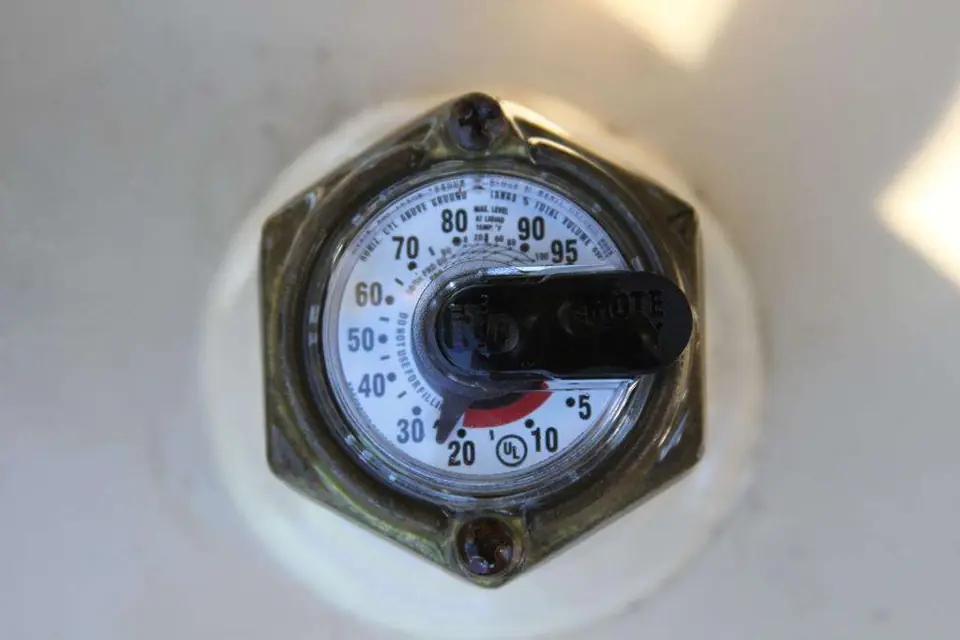
Propane tank sizes: which tank fits your homeMost foothill homes use a 120, 250, 500 or 1,000-gallon propane tank, and the right size depends on what the propane runs: a small tank suits a water heater, range or...How to read your propane tank gaugeThe gauge under the dome on top of your propane tank shows how full the tank is as a percentage, not in gallons.How long does a 500-gallon propane tank last in the foothills?A 500-gallon propane tank holds about 400 gallons, which can last a few weeks in a cold snap in a house heated with propane, or many months if propane only runs a water...Leasing vs owning a propane tankWhen you lease a propane tank, the propane company owns it, sets it and keeps it in service, and you buy your propane from that company.Underground vs above-ground propane tanksAn above-ground propane tank is simpler to set, inspect and maintain, while an underground tank keeps the view clear but needs excavation, a tank built and coated for...Cold weather, tank pressure and frozen regulatorsPropane pressure in your tank rises and falls with the temperature, and on cold days the tank also turns liquid into vapor more slowly, especially when it is low, so a...Propane regulators explained: what they do and when they are replacedA propane regulator lowers the high, temperature-driven pressure inside your tank to the steady, low pressure your appliances are built to burn, and most homes use two...
Outages & backup heat
Heating & appliances
Propane vs natural gas vs electric in the Sierra foothillsIn the Sierra foothills the choice usually starts with where you live: natural gas is only available where PG&E has a gas main, which is mostly in the town cores, while...Propane water heaters: tank and tanklessA propane storage water heater keeps a tank of hot water ready, while a tankless model heats water only as it flows, so it never runs out but needs a larger gas line and...Propane furnaces: efficiency, sizing and careA propane furnace burns propane to heat air and a blower pushes that air through your ducts, and its efficiency is rated by AFUE, the share of fuel turned into heat over...Propane fireplaces and insertsA direct-vent propane fireplace or insert draws combustion air from outdoors and vents exhaust back outside, which makes it a clean, efficient source of zone heat, and...Propane pool and spa heatersA propane pool or spa heater warms water quickly and holds temperature in cool weather, which makes it a good fit for stretching the swim season in the foothills or...Converting appliances from natural gas to propaneMost gas ranges, dryers, water heaters, furnaces and fireplaces can run on propane, but only after a conversion using the manufacturer's approved kit, which swaps the...Propane vs a heat pump in the foothillsA heat pump moves heat instead of burning fuel, so it is very efficient and also cools the house in summer, while a propane furnace gives strong, steady heat on the...Propane tankless water heatersA propane tankless water heater lights its burner only while hot water is flowing, so it skips the standby loss of a storage tank and will not run out partway through a...Propane ranges and cooktopsNearly any gas range, cooktop or wall oven can cook on propane, either because it was built for propane at the factory or because a qualified technician installed the...Propane clothes dryersA propane clothes dryer heats with a gas burner instead of an electric element, so it generally dries faster than a standard electric dryer and still plugs into an...Outdoor kitchens, built-in grills and fire pits on your propane tankA built-in grill, outdoor kitchen or gas fire pit can run straight from your home propane tank through a buried gas line, so there are no cylinders to swap and no...Propane wall furnaces and space heaters: vented vs vent-freeA vented propane wall furnace or direct-vent wall heater sends its exhaust outdoors, and it is the right way to heat a room, cabin or addition with propane in a...
Safety & seasons
Winter prep: driveway access and snow for delivery trucksA propane delivery truck needs a clear, drivable path at least 10 feet wide and a tank within reach of our 120-foot hose, so plow the driveway, trim low branches and...Ran out of propane? Why a leak check is required before relightingWhen a propane tank runs empty, the lines lose pressure and joints and valve seals can relax and start to leak, so safety codes and our insurance require a pressure...Propane safety and wildfire: defensible space around your tankIn California's State Responsibility Areas, the state's defensible space regulations call for 10 feet of clearance to bare mineral soil around a propane tank, plus no...Annual propane system inspection: what we checkA propane system check looks at the whole path from the tank to each appliance: the tank, regulators, piping, shut-off valves and sediment traps, followed by a leak test.Carbon monoxide and propane appliancesCarbon monoxide (CO) is a colorless, odorless gas that any fuel-burning appliance, including a propane furnace, water heater, range or fireplace, can produce when it is...Getting propane back after a wildfire evacuationWhen you return after a wildfire evacuation, leave the propane valves closed, or close them if they are open, and do not use any gas appliance until your propane...Fall 2026 propane checklist for foothill homesBefore the first cold nights of fall 2026, read your tank gauge and order if it is near 30%, consider Keep Full automatic delivery, and make sure the tank, the path to...Turkey fryer propane safety for the holidaysFry the turkey outdoors on a level, non-combustible surface at least 10 feet from the house and never under eaves, a porch, a carport or in a garage, with the propane...
Buying, building & moving
Planning propane for new construction: tank placement and setbacksPlan the propane tank while the site plan is still on paper, because tank size sets the minimum distance from the house, property lines and ignition sources, and the...Buying or selling a foothill home with a propane tankThe first question in any foothill sale with propane is whether the tank is leased from a propane company or owned by the homeowner, because that decides what transfers...Moving to the foothills: setting up propane serviceTo set up propane at a new foothill home, find out who owns the tank, open an account with your name, service address and contact details, and choose Keep Full automatic...Propane for ADUs, shops and garagesAn ADU, shop or garage can run on propane either from a gas line off your existing tank or from its own tank, and the right choice depends on the total load of every...Propane tank painting, placement and clearancesA propane tank should only be repainted if it was never powder coated, using an oil-based primer and a light, heat-reflective oil-based alkyd paint, and you should call...
Cylinders & price
Propane cylinder refill vs exchangeWith a refill, an attendant checks your own cylinder and fills it to its proper level, while an exchange swaps your empty for a pre-filled cylinder that may not be...What goes into the price of propane, and why full-service dealers differThe price of delivered propane is built from the wholesale cost of the fuel, the cost of moving it to local storage, the cost of storing it and trucking it to your tank...When a propane cylinder expires: dates and requalificationGrill, camping and RV cylinders built to U.S.RV propane systems: filling, safety and storageMost travel trailers and campers carry removable DOT cylinders that you bring in to be filled, while most motorhomes have a permanently mounted tank that is filled in...
Newcastle yard · since 1966
Questions about propane?
Call the office and talk to a real person. Or leave your details and we call you back.
Monday-Friday 8:00 AM-4:30 PM (closed noon-1:00 PM)
After hours, weekends and holidays, our answering service reaches a staff member.