Safety & seasons
Winter prep: driveway access and snow for delivery trucks
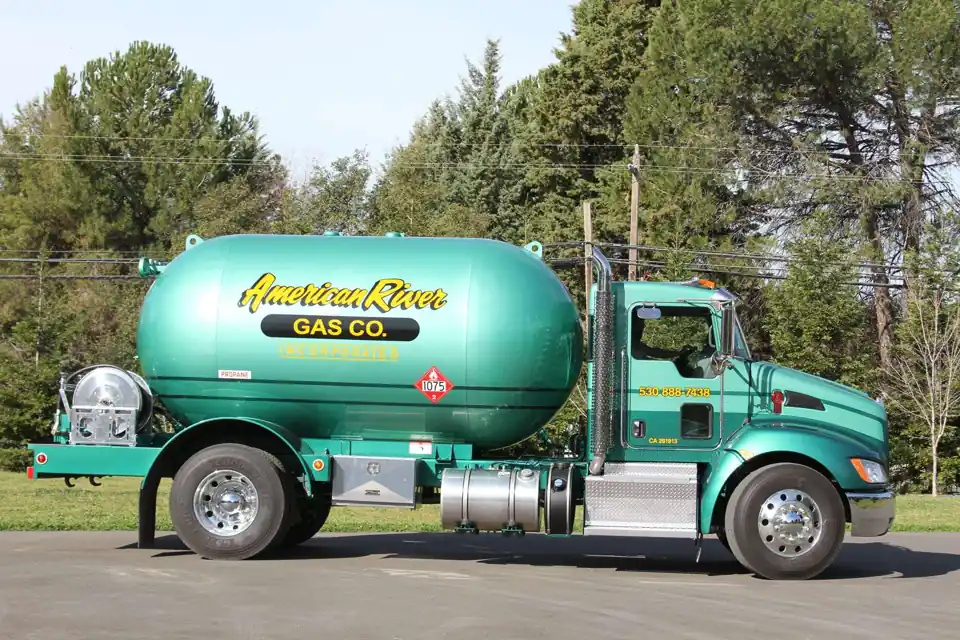
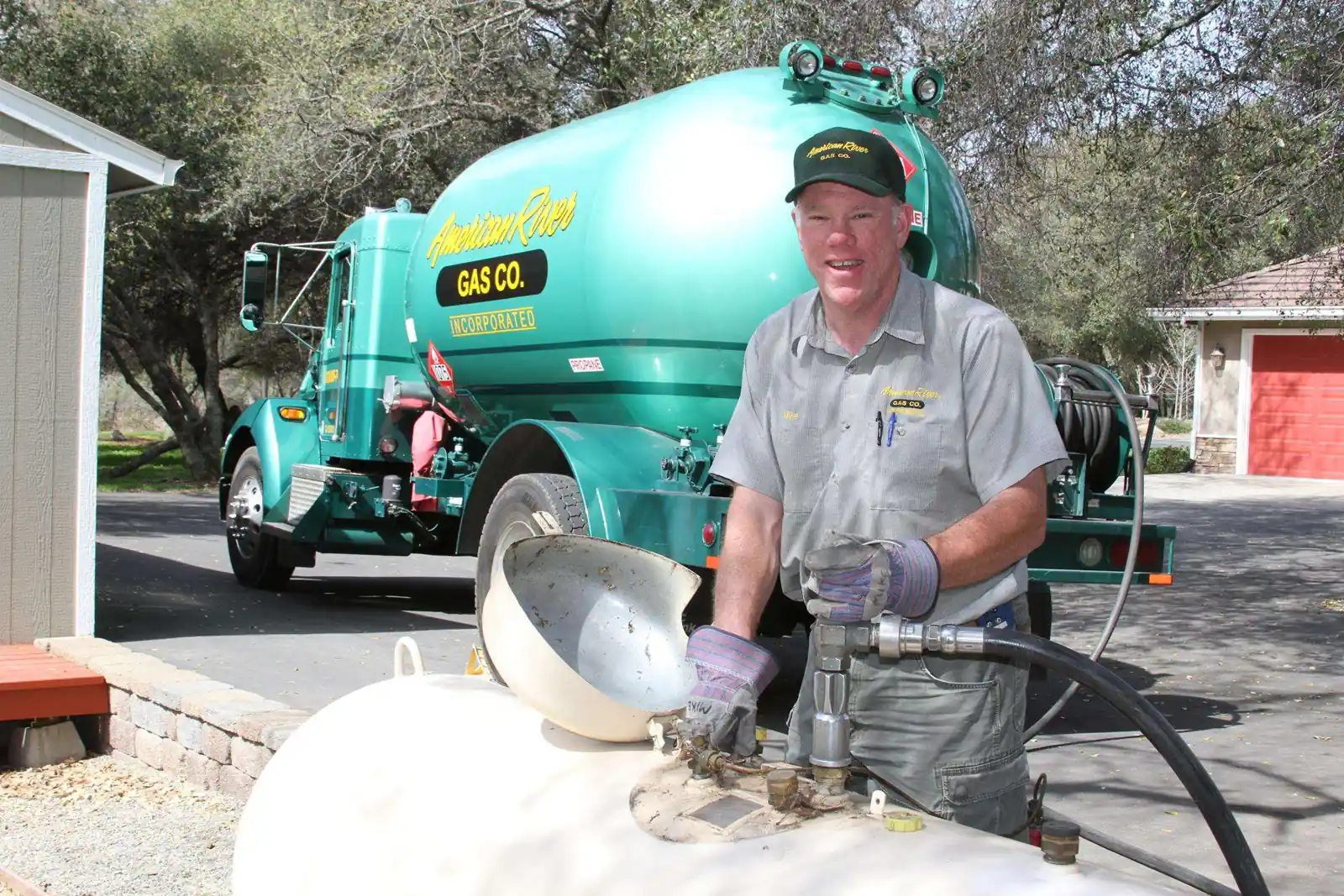
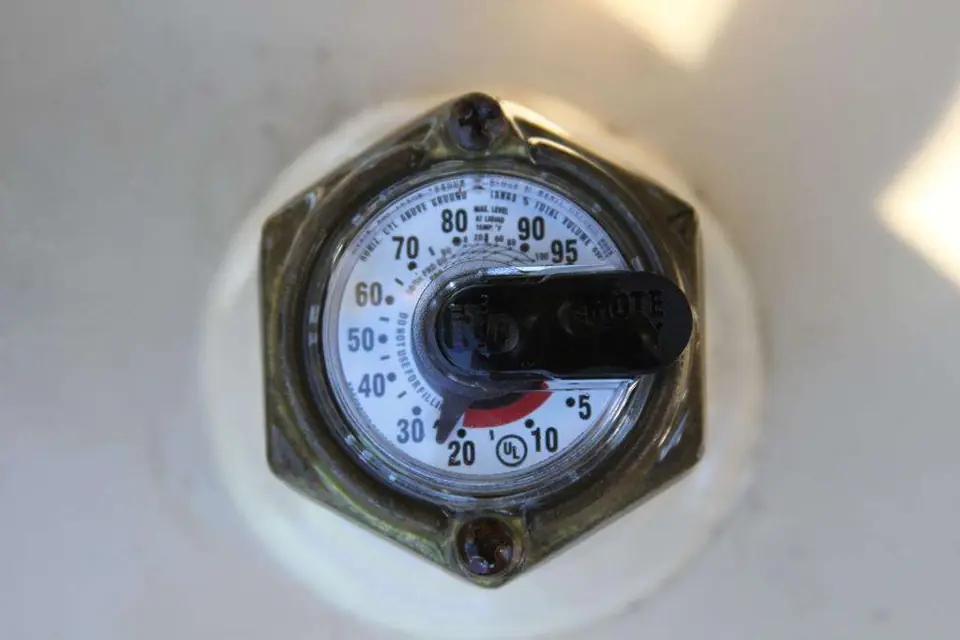
A propane delivery truck needs a clear, drivable path at least 10 feet wide and a tank within reach of our 120-foot hose, so plow the driveway, trim low branches and keep a shoveled path to the tank before storms arrive. Order when the gauge reads about 30%, or use Keep Full, so a snowed-in week never catches your tank low.
Updated · American River Gas office, Newcastle
Why winter access matters
Our trucks serve each part of the delivery area on a set day of the week. A storm that blocks your road or driveway on that day can push your delivery back, right when your furnace is working hardest. The Propane Education & Research Council notes that roads may be impassable for fuel delivery during heavy snow, and recommends a regular delivery schedule in high snowfall areas.
Clear the truck's path
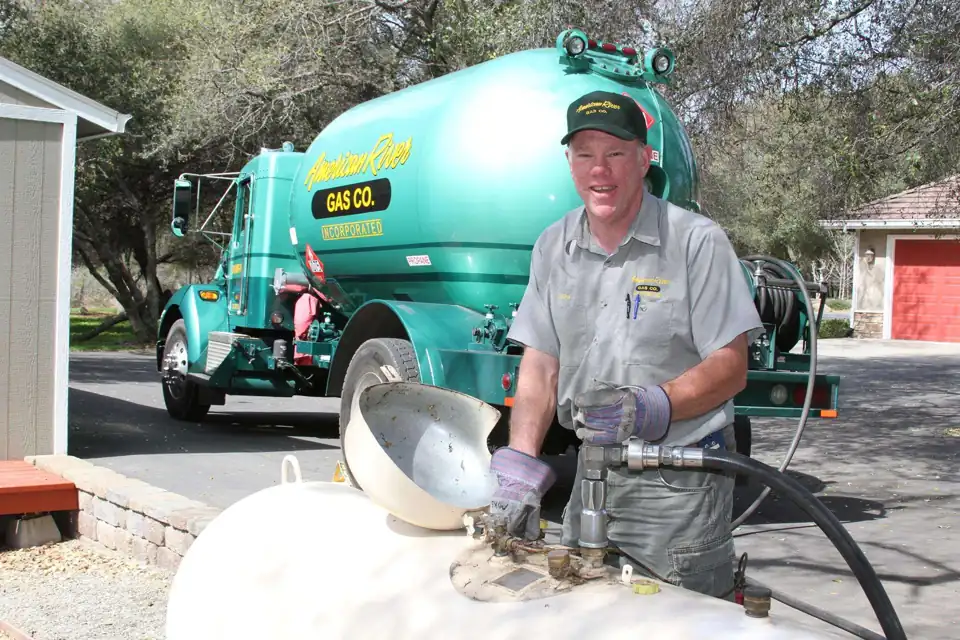
Our hose reaches 120 feet from the truck, and every turn around a fence, shed or planter uses some of that length. If the tank sits near the limit in summer, it may be out of reach once snow piles up.
- Keep a driving lane at least 10 feet wide, the width the Propane Education & Research Council gives for a delivery truck.
- Trim trees and brush back so the driver can maneuver safely. Low limbs heavy with snow are a common problem.
- Keep driveways and walkways free of parked cars, trailers, firewood and other objects.
- Leave gates unlocked on your route day, or tell the office the gate code, and keep dogs inside or away from the tank.
- If your driveway turns soft, icy or steep in winter, tell the office so the driver knows before arriving.
Mark and protect the tank
Snow hides equipment. The Propane Education & Research Council's high snowfall guidance is simple and worth following:
- Mark the tank with a brightly colored stake or flag taller than your deepest expected snow, and mark the regulator by the house too.
- Choose a place to pile snow that is well away from the tank, regulator, meter and piping, and tell anyone plowing for you where the equipment is.
- Never shovel roof snow onto propane equipment, and watch for snow and ice that could slide off the roof onto it.
- Brush snow off the tank and regulator gently with a broom. Never kick or hit equipment to break ice loose. If ice will not come off easily, call us.
Keep vents and flues clear
Appliance vents and chimney flues must stay clear of snow and ice at all times. Some direct-vent appliances exhaust close to the ground, where drifts build up. A blocked vent can trap carbon monoxide in the house, so check them after every storm and keep working carbon monoxide detectors.
A fuel plan for storm season
The simplest winter prep is a fuller tank. Keep Full takes the timing off your plate by scheduling fills from outdoor temperatures and past use. If you order your own deliveries, check the gauge weekly and call at about 30%, earlier if a storm or holiday is coming. The Propane Education & Research Council also suggests stretching fuel in a long storm by setting thermostats around 65 degrees by day and 55 at night and closing off unused rooms.
If you smell gas at any point, leave the building first, then call 911 and us from outside at (530) 888-7438.

After a big storm
Once it is safe to go outside, look over the area around the tank, regulator and gas line. Downed power lines, damaged gas lines and a tank that has been shifted by falling limbs or sliding snow are all reasons to stay back and call. Use a flashlight rather than candles if it is dark.
If a storm damaged anything near your propane system, have a qualified technician inspect it before you use your appliances. The same goes for a system you shut off yourself: a technician checks it before the gas is turned back on. Snow and ice left on the regulator can also be a problem, so clear it gently once the storm has passed.
Questions
Straight answers
How wide does my driveway need to be for a propane truck?
Plan on a clear path at least 10 feet wide, with branches trimmed high enough for the truck to pass.
How far can the delivery hose reach?
Our hose is 120 feet long, and pulling it around obstacles uses some of that length.
Should I shovel snow off my propane tank?
Brush it off gently with a broom or by hand. Avoid shovels near the equipment and never kick or hit it to remove ice.
Do I really need to mark my tank?
Yes, anywhere snow can bury it. A tall, bright stake helps drivers, plow operators and emergency crews find the tank and keeps snow from being piled on top of it.
What if my road is snowed in on my route day?
Call the office. The better plan is ordering early, at about 30%, so a missed day does not leave you short.
Related
Keep reading
Sources: Propane Education & Research Council: propane safety for high snowfall areas (brochure, PDF) (opens in a new tab) · Propane Education & Research Council: propane safety and winter storms (10 tips, PDF) (opens in a new tab) · Propane Education & Research Council: propane safety and winter storms (opens in a new tab)
Newcastle yard · since 1966
Questions about propane?
Call the office and talk to a real person. Or leave your details and we call you back.
Monday-Friday 8:00 AM-4:30 PM (closed noon-1:00 PM)
After hours, weekends and holidays, our answering service reaches a staff member.