
Buying, building & moving
Buying or selling a foothill home with a propane tank
The first question in any foothill sale with propane is whether the tank is leased from a propane company or owned by the homeowner, because that decides what transfers with the house and who can fill it. Sellers should gather the tank paperwork and account details, and buyers should open their own propane account before closing so service and a new-customer leak check are in place on move-in day.
Updated · American River Gas office, Newcastle
Leased or owned: why it matters
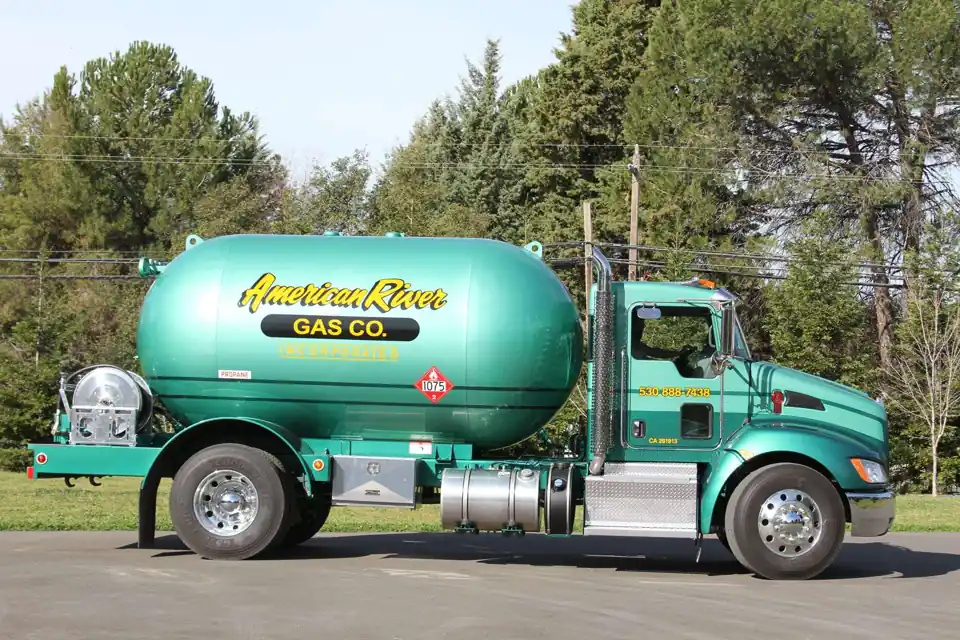
A leased tank belongs to the propane company that set it. It stays with that company when the house sells, and the buyer either opens an account with that company or arranges for the tank to be replaced. An owned tank belongs to the homeowner and normally transfers with the property like any other fixture, so it belongs in the purchase contract.
If you are not sure which one you have, call the propane company that fills it. The tank's data plate and your paperwork will also help. We serve both leased and customer-owned tanks.
A checklist for sellers
- Find out whether the tank is leased or owned, and have any bill of sale or lease paperwork ready.
- Note the tank size and whether it is above ground or underground.
- List the propane appliances: furnace, water heater, range, dryer, fireplace, pool heater.
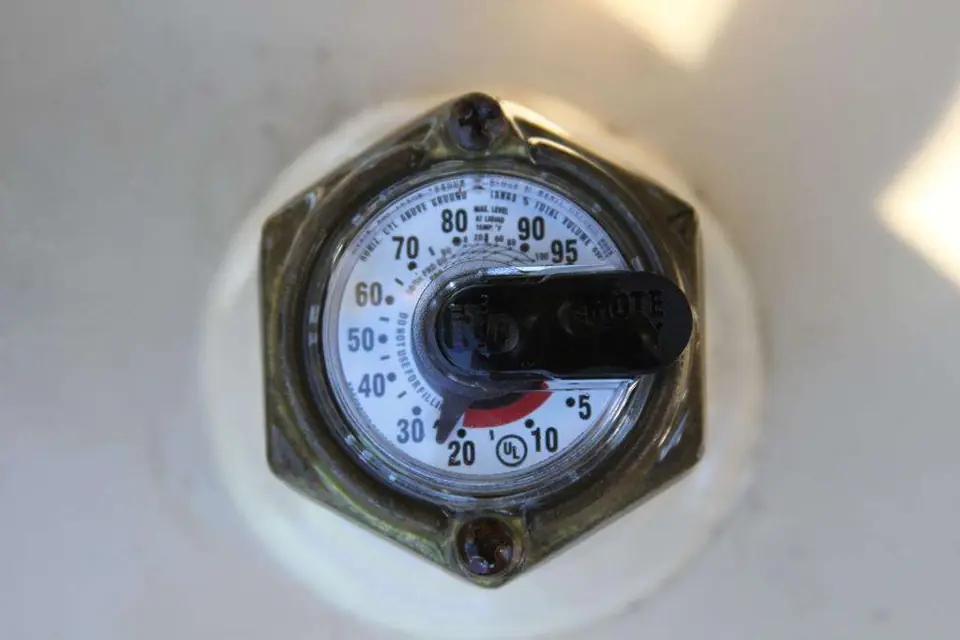
- Read the gauge and note the percentage near listing and again near closing. How propane left in the tank is handled is a term to settle in the contract with your agent.
- Tell your propane company the closing date so the final bill and the buyer's new account line up.
- Keep the driveway and path to the tank clear through the sale so deliveries can continue.
A checklist for buyers
- Ask the seller or listing agent: leased or owned, tank size, age, and which company fills it.
- Ask when the system last had a leak check and whether any appliances were added since.
- Look at the tank: its condition, clearance from the house, and truck access, especially in winter.
- Open your propane account before closing and schedule your new-customer set-up.
The new-customer leak check
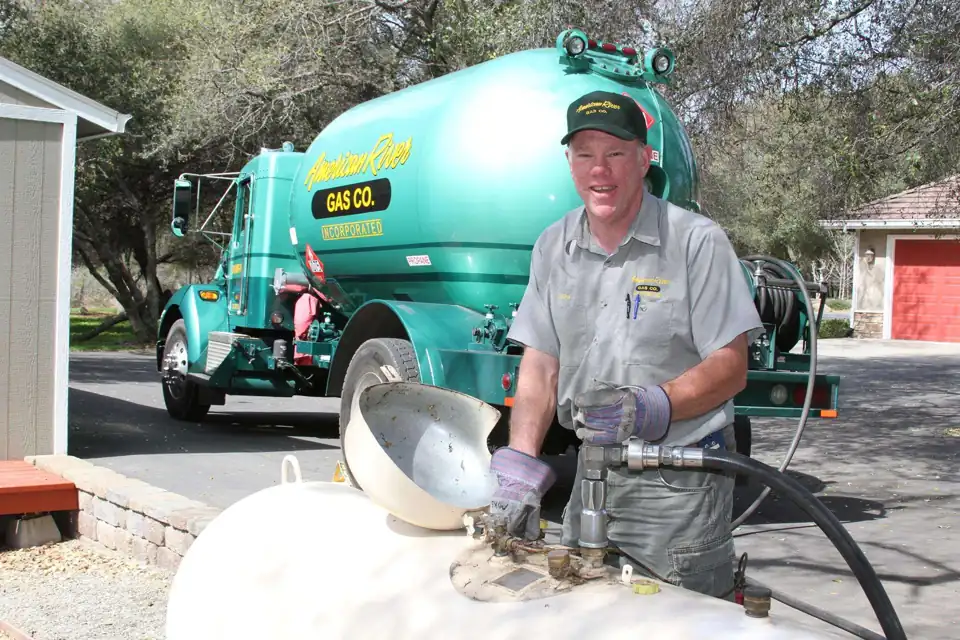
When we set up a new customer, the system gets a pressure check and leak test. Government regulations and insurance companies require leak tests in situations like a new customer set-up, and it is also the right way to start: it confirms the piping, regulators and appliance connections are sound before you rely on them. The technician needs access inside the home, so plan to be there, or have your agent arrange access.
Underground tanks
An underground tank shows only its dome above ground, so ask for its size, who owns it and when it was set. Ask too where the gas line runs between the tank and the house, so any future digging avoids it.

Home inspections and propane
A general home inspection may note the tank and visible gas piping, but it is not the same as a propane system check. Our check covers the tank, regulators, piping, each appliance's shut-off valve and sediment trap, and a leak test. If something is unsafe or does not meet code, it is red tagged until a qualified technician corrects it, which is useful to know before closing rather than after.
Owned tanks: what the new owner takes on
With an owned tank, the new homeowner owns the tank and is responsible for keeping it in good condition. Any tank must meet the safety standards in NFPA 58 to be filled. Ask for any records the seller has, and keep them with your house papers.
Setting up delivery after closing
Choose Keep Full automatic delivery, where we schedule fills from outdoor temperatures and your use, or you can order your own deliveries and call when the gauge reads about 30%. Autopay and the Budget Plan are available once your account is set up. Call the office at (530) 888-7438 with the address and closing date. If you smell gas, leave the building first, then call 911 and us from outside.
Questions
Straight answers
Does a propane tank transfer with the house?
An owned tank normally transfers with the property. A leased tank belongs to the propane company and stays with that company.
How do I know if my propane tank is leased or owned?
Check your paperwork and the tank's data plate, or call the company that fills it. They can tell you who owns it.
Who pays for the propane left in the tank at closing?
It is a term to settle in the purchase contract. Read the gauge near closing so both sides know the level.
Why do new owners need a leak check?
A new customer set-up calls for a pressure check and leak test. It confirms the system is sound before you rely on it.
Related
Keep reading
Sources: NFPA 58, Liquefied Petroleum Gas Code (National Fire Protection Association) (opens in a new tab) · Propane Education & Research Council: propane safety in your home (opens in a new tab) · American River Gas: services, safety and FAQ (company practice) (opens in a new tab)
Newcastle yard · since 1966
Questions about propane?
Call the office and talk to a real person. Or leave your details and we call you back.
Monday-Friday 8:00 AM-4:30 PM (closed noon-1:00 PM)
After hours, weekends and holidays, our answering service reaches a staff member.