Safety & seasons
Carbon monoxide and propane appliances
Carbon monoxide (CO) is a colorless, odorless gas that any fuel-burning appliance, including a propane furnace, water heater, range or fireplace, can produce when it is damaged, out of adjustment or venting poorly. Protect your household with a CO alarm on every level and outside each sleeping area, a professional check of each appliance on its manufacturer's schedule, and clear vents, and if an alarm sounds, get everyone outside and call 911.
Updated · American River Gas office, Newcastle
Where carbon monoxide comes from in a propane home
A propane appliance that is installed correctly, tuned and vented to the outdoors is designed to burn cleanly. The Propane Education & Research Council (PERC) explains that unsafe CO levels come from appliances that are defective, improperly installed, operated or maintained, or that have blocked air intakes. CO can also spill into a home when a vent pipe or chimney gets plugged, for example by a bird's nest.
The U.S. Environmental Protection Agency lists the common household sources. Several of them have nothing to do with propane, which is why every home with a fuel-burning appliance or an attached garage should be protected.
- Furnaces, water heaters and fireplaces that back-draft instead of sending exhaust up the flue
- Flues that are the wrong size, blocked, disconnected or leaking
- Gas ranges, especially burners that are poorly adjusted
- Unvented space heaters
- Gasoline engines and other fuel-burning tools
- Car exhaust from an attached garage
A propane leak and carbon monoxide are two different dangers
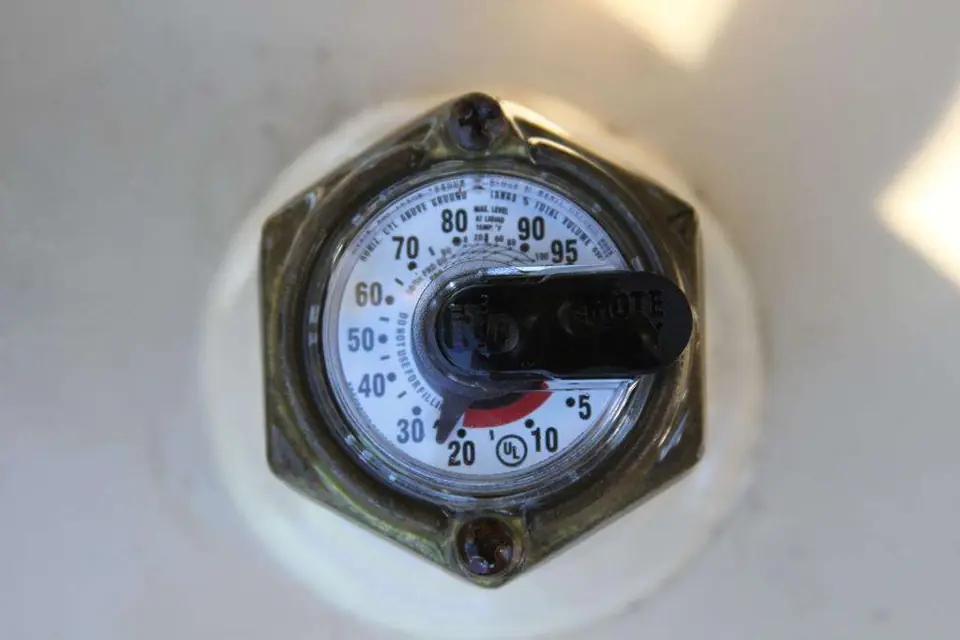
People often mix these up. Propane is given a strong added odor so you can notice a leak. Carbon monoxide is a product of burning, and it has no smell, color or taste at all. A leak is a fire and explosion hazard. CO is a poisoning hazard.
That difference is why PERC recommends separate protection for each: a carbon monoxide alarm for CO and a propane gas detector that senses propane itself. Smoke alarms are a third device. Some combination units cover more than one hazard, so read the label to see what yours actually detects.
If you smell gas, leave the building first, then call 911 and us from outside.
Symptoms and warning signs to know
CO poisoning can feel like the flu. PERC lists headache, dizziness, nausea, fatigue and shortness of breath. The EPA adds a telling clue: flu-like symptoms that clear up after you leave the house. Young children, older adults, people with heart disease, and anyone under the influence of alcohol, drugs or medication are at greater risk.
Appliances give their own hints before an alarm ever sounds. Treat any of these as a reason to call a qualified technician.
- Soot on an appliance, around a vent or on a heating register
- An unfamiliar or burning smell when a burner runs
- More moisture than usual on the inside of windows
- A pilot light that is hard to keep lit or keeps going out
What California requires, and where alarms belong
California Health and Safety Code section 17926 requires the owner of a dwelling unit to install a carbon monoxide device approved and listed by the State Fire Marshal when the home has a fossil fuel burning heater or appliance, a fireplace, or an attached garage. For existing single-family homes that requirement took effect July 1, 2011. A propane furnace, water heater, range or fireplace puts a foothill home squarely under that rule.
As for placement, the U.S. Consumer Product Safety Commission, as quoted by the EPA, recommends CO alarms on each level of the home and outside each sleeping area. PERC advises choosing UL-listed alarms and following the maker's instructions for installation, testing and care. Press the test button so everyone in the house knows what the alarm sounds like, and replace units when the manufacturer says to.
Everyday habits that keep CO down
- Have a trained professional inspect and tune your furnace, flues and chimneys once a year, as the EPA recommends. Furnaces are often checked before the heating season starts.
- Keep intake and exhaust vents clear of leaves, nests, snow and ice, and keep the area around each appliance free of clutter so the burner gets enough air.
- Open the damper whenever you use a fireplace.
- Use a range hood that vents to the outdoors when you cook with gas.
- Never heat the house with a gas oven or range-top burners.
- Never bring a camp heater or barbecue grill indoors. Heaters not designed for indoor use can produce high CO levels.
- Do not use vent-free propane heaters or logs in a California home; choose a vented or direct-vent model.

If the CO alarm goes off
Do not hunt for the source. PERC's instructions are simple and worth posting on the refrigerator.
- Get everyone out of the building right away, pets included.
- Once you are outside, call 911 or the fire department.
- Stay out until emergency responders or a qualified professional tell you it is safe to go back in.
- Do not use the suspect appliance again until a qualified technician has inspected it.
Where American River Gas fits in
Our part of the system runs from the tank through the regulator and gas lines to each appliance's shut-off valve. Every new appliance connection gets a leak test, and so does any repair, modification or shut-off. Each appliance should have its own shut-off valve within 6 feet of it, which lets a technician isolate one unit without turning off the whole house.
If you are adding or replacing a propane appliance, call the office at (530) 888-7438 before it is installed so we can make sure the tank, regulator and line can serve it. Office hours are Monday through Friday, 8 to 4:30, closed noon to 1, and our answering service reaches staff after hours, on weekends and on holidays.
Questions
Straight answers
Do propane appliances give off carbon monoxide?
Any fuel-burning appliance can. A properly installed, tuned and vented propane appliance is designed to burn cleanly, but a damaged, poorly adjusted or blocked appliance can produce dangerous CO levels.
Can I smell carbon monoxide?
No. CO has no odor, color or taste. The smell added to propane warns you of a gas leak, not of carbon monoxide, which is why you need a CO alarm.
Where should carbon monoxide alarms go?
On every level of the home and outside each sleeping area, installed according to the alarm maker's instructions.
Is a propane gas detector the same as a CO alarm?
No. A propane detector senses leaking propane and a CO alarm senses carbon monoxide. Some combination units do both, so check the label.
Does California require CO alarms in homes with propane?
Yes. State law requires a listed carbon monoxide device in dwellings with a fossil fuel burning heater or appliance, a fireplace, or an attached garage.
Sources: U.S. EPA: carbon monoxide's impact on indoor air quality (opens in a new tab) · Propane Education & Research Council: Safety Guide for Propane Users (PRC-101063D, 2025) (opens in a new tab) · California Health and Safety Code section 17926: carbon monoxide devices (opens in a new tab)
Newcastle yard · since 1966
Questions about propane?
Call the office and talk to a real person. Or leave your details and we call you back.
Monday-Friday 8:00 AM-4:30 PM (closed noon-1:00 PM)
After hours, weekends and holidays, our answering service reaches a staff member.