Services
Appliance conversions
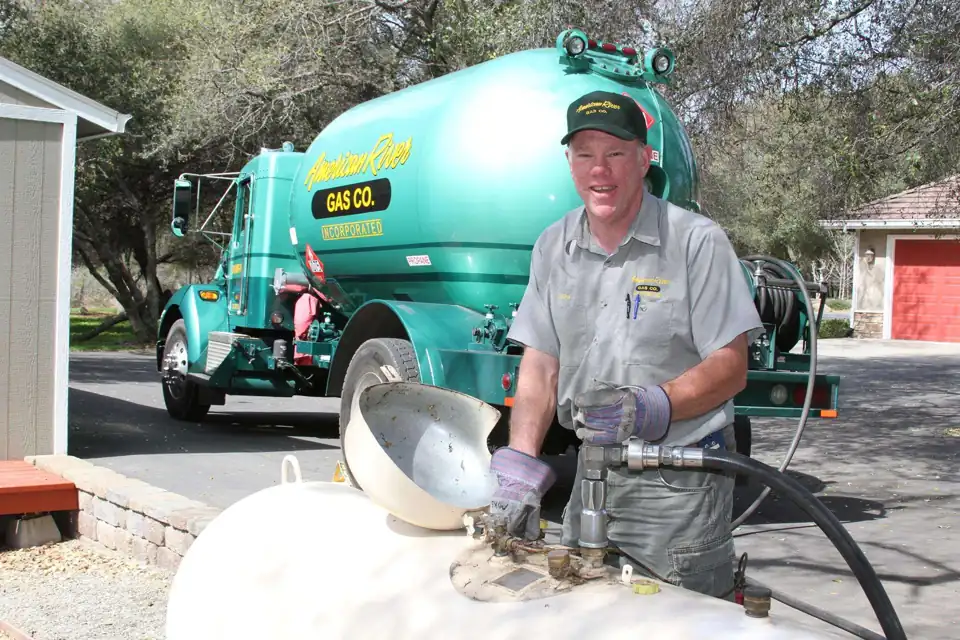
Many gas appliances are sold set up for natural gas and must be converted before they can run safely on propane. American River Gas converts appliances for current customers and checks the system for leaks when a new appliance is connected.
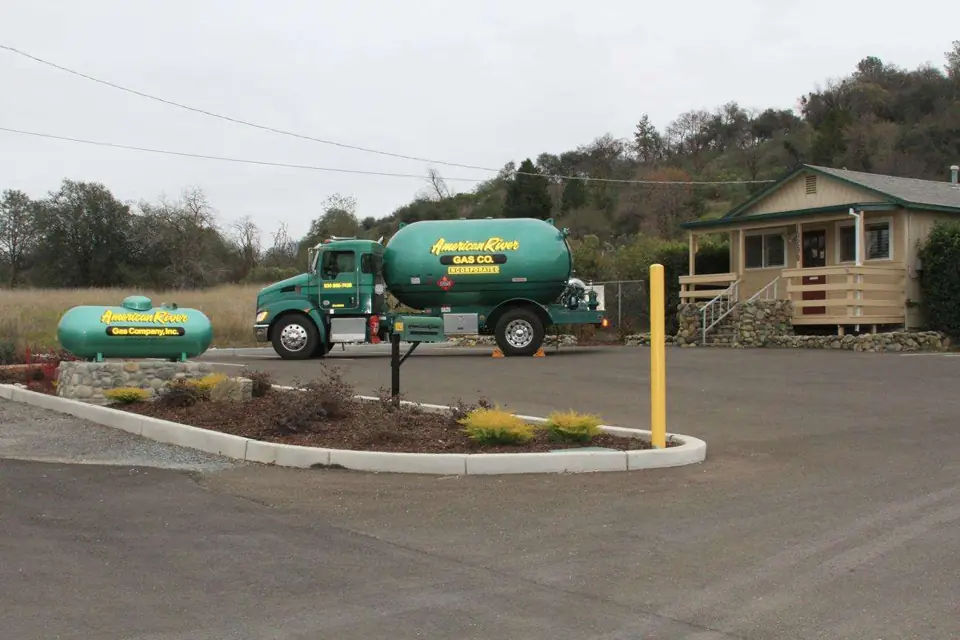
Updated · American River Gas office, Newcastle
Why conversion matters
Propane is supplied at a different pressure than natural gas, so an appliance built for natural gas needs the correct parts for propane before it is used. Running an unconverted appliance on propane can make it burn poorly or unsafely. Conversion is done with the manufacturer's parts for that appliance.
Appliances we commonly see
Moving into the foothills from a natural-gas town, or buying a new appliance from a store that ships the natural-gas version, are the usual reasons for a conversion.
- Ranges and cooktops
- Water heaters
- Furnaces and wall heaters
- Clothes dryers
- Fireplaces and inserts
- Outdoor grills and patio appliances
Adding an appliance
Installing a new appliance is one of the situations that calls for a leak test. We confirm there is a shut-off valve within six feet of the appliance and that the system is leak-free before it goes into service.
Carbon monoxide safety
Any fuel-burning appliance should be properly installed, vented and maintained. Put carbon monoxide alarms in your home and test them regularly.
Questions
Straight answers
Can any gas appliance be converted to propane?
Many can, using the manufacturer's conversion parts. Call the office with the make and model and we will tell you.
Do you convert appliances for non-customers?
Appliance conversions are provided for current customers. If you are new, we can open an account and set up your propane at the same time.
Do I need a leak test after a new appliance?
Yes. Installing a new appliance is one of the situations where a leak test is required before the system goes back into service.
Sources: Propane Education & Research Council: propane safety in your home (opens in a new tab) · U.S. EPA: carbon monoxide and indoor air (opens in a new tab) · NFPA 58, Liquefied Petroleum Gas Code (opens in a new tab)
Newcastle yard · since 1966
Questions about propane?
Call the office and talk to a real person. Or leave your details and we call you back.
Monday-Friday 8:00 AM-4:30 PM (closed noon-1:00 PM)
After hours, weekends and holidays, our answering service reaches a staff member.