Heating & appliances
Propane pool and spa heaters
A propane pool or spa heater warms water quickly and holds temperature in cool weather, which makes it a good fit for stretching the swim season in the foothills or heating a spa on demand. Because it is one of the largest gas burners at a home, plan the gas line and tank size with us before it is installed.
Updated · American River Gas office, Newcastle
How a propane pool heater works
The pool pump pushes water through the heater. A burner heats a coil or heat exchanger, and the warmed water returns to the pool. A thermostat on the heater turns the burner on and off to hold the temperature you set.
The Propane Education & Research Council notes that propane heaters warm pools and spas more quickly than electric heat pumps and maintain heat better in cold weather. That speed is why many spa owners choose propane: you can heat the spa when you want it instead of holding it hot all week.
Where propane heating fits in the foothills
- Spring and fall: foothill days can be warm while nights drop quickly. A gas heater recovers the water temperature fast after a cool night.
- Spas and hot tubs: heat on demand for an evening soak.
- Occasional heating: if you heat only for weekends or guests, fast heat-up is more useful than slow, steady heating.
- Pairing: some owners use solar or a heat pump for steady summer heat and propane for fast boosts.
Propane heater or heat pump?
Both are good tools, and they suit different habits. An electric heat pump pulls heat from the outside air, works best when the air is warm, and heats slowly and steadily. A propane heater makes its own heat, so it works the same on a cool evening as on a warm afternoon and brings the water up to temperature quickly.
If you swim daily through the summer and keep the pool warm all season, a heat pump or solar may carry most of the load. If you heat on short notice, heat a spa, or want to swim in April and October, propane's speed is hard to match. Some owners install both and let each do what it does best.
Sizing the heater
Pool heaters are rated by burner input in Btu per hour. The right size depends on the pool's surface area, the temperature rise you want over the air, wind exposure and how fast you want to heat. A spa needs less total heat but is often expected to heat quickly. Your pool contractor sizes the unit; a heater that is too small for the pool may struggle to keep up on cool evenings.
Use a cover
Most heat leaves a pool from the surface, through evaporation and wind. A pool cover used whenever the pool is not in use is the simplest way to cut how often the heater runs. On a spa, a well-fitting insulated lid does the same job.

Planning propane for a big, seasonal load
A pool heater can use a lot of propane in a short time, and much of that use lands in spring and fall. Tell us about it so we can plan together:
- Gas line: a large burner needs a line sized for its full input, often a longer run out to the pool equipment.
- Tank size: the tank has to supply the heater and everything else in the home at once.
- Delivery: Keep Full automatic delivery adjusts to your use, even if heating varies week to week.
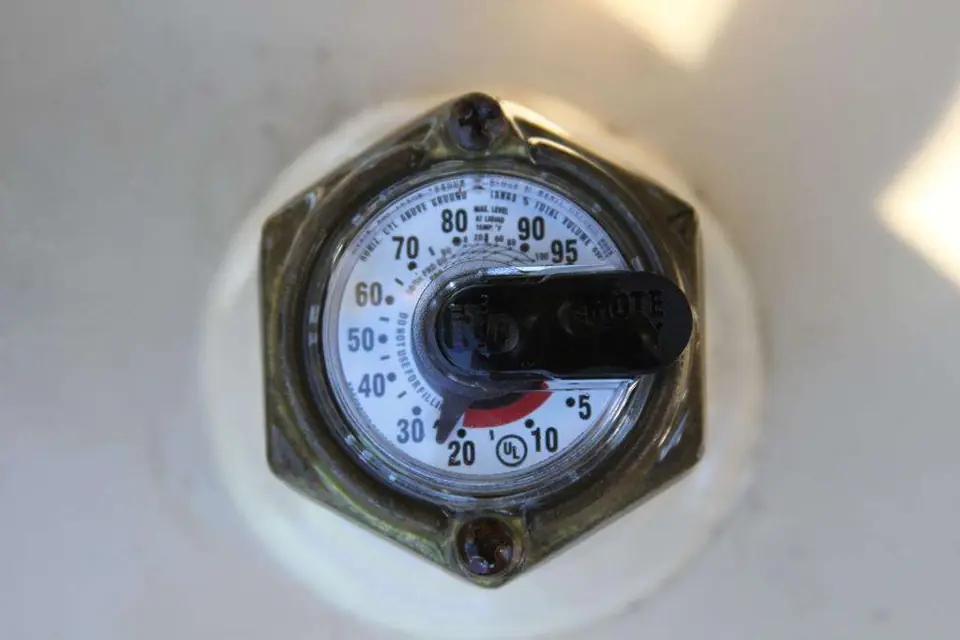
- If you order your own deliveries: check the gauge more often during pool season and call at about 30%.
Placement and safety
Pool heaters install outdoors on the equipment pad at the clearances in the manufacturer's manual, including distance from walls, windows, overhangs and property lines. A new gas appliance gets a leak test and its own shut-off valve within 6 feet. Keep leaves and debris out of the heater and have it checked by a qualified technician each season. If you smell gas, leave the building first, then call 911 and us from outside.
Questions
Straight answers
Is propane good for heating a pool?
Yes, especially for fast heat-up and cool-weather use. PERC notes propane heaters warm pools and spas faster than electric heat pumps and hold heat better in cold weather.
How can I use less propane heating my pool?
Use a pool cover whenever the pool is not in use, heat only when you plan to swim, and keep the heater maintained.
Do I need a bigger propane tank for a pool heater?
Possibly. A pool heater is a large, seasonal load. Call us before installation so we can check the tank, line and delivery plan.
Can a propane heater heat a spa quickly?
Yes. Fast heat-up is one of the main reasons spa owners choose propane, since the spa can be heated when it is wanted.
Sources: Propane Education & Research Council: pool and spa heaters (opens in a new tab) · NFPA 58, Liquefied Petroleum Gas Code (National Fire Protection Association) (opens in a new tab) · Propane Education & Research Council: safety guide for propane users (opens in a new tab)
Newcastle yard · since 1966
Questions about propane?
Call the office and talk to a real person. Or leave your details and we call you back.
Monday-Friday 8:00 AM-4:30 PM (closed noon-1:00 PM)
After hours, weekends and holidays, our answering service reaches a staff member.